image
For those new to the world of API development, it can be hard to know where to begin. With this guide, we hope to make it easier for you to grasp the basics of API development and get your app up and running as soon as possible!
At the end of this guide, you should have a better understanding of how APIs work and how your business can use them to its advantage. It’s one thing to decide that you want to create an API and another to know where to begin and what steps to take from start to finish.
Here, we break down the entire process of creating your API for use in software development so you can get started and get it done right! (To learn more about how APIs work, check out our guide on the topic.)
What is an API development?
API Development is the development of an Application Programming Interface (API) that facilitates access to software components and tools. The use of APIs enables access to the functions, services, data, or other resources of one system by programs or applications that run on another.
APIs provide an easy way for developers to build apps with pre-made blocks of functionality instead of spending time creating them themselves. They make it possible for applications and services to communicate seamlessly, as they were built together but with different languages and frameworks.
An API can be developed in various programming languages such as Java, JavaScript, PHP, Ruby, Python Go, etc., which means that if you are an expert in one language then you will be able to develop an API very easily in the same language.
Successful API Strategy development
The process of developing APIs is not straightforward because there are some key considerations involved in building an efficient API. and thus they affect of impact of technology. The following things need to be considered before starting your project as API Development,
- What will your API do?
- How many users will you have?
- Who are your target audiences?
- What is your company’s vision for this API?
- What data does this API share? Is this information public or private? 6. Will any security measures be needed?
- Is the API free to use or does it require authorization?
- What will happen when people want to leave your site and come back later? Will they lose their place in line or will they pick up where they left off?
- Does the API serve more than one purpose, like integrating with third-party services like Facebook, Twitter, Instagram, etc.?
- When was the last time you updated this service? Can we update it without breaking anything else on our site?
An API provides great advantages for both companies and customers. Companies can reach out to new markets and offer their products to global audiences through an API.
Customers also enjoy benefits from accessing APIs as well. These benefits include saving time on tasks, getting information quicker, automating processes, and reducing errors.
The bottom line is that if you need speed, efficiency, connectivity, or automation in your business – APIs are going to help you get it done faster!
How do we develop API?

Creating an API does not happen overnight and should not be rushed. Developers need time to learn about your platform before they start building applications for it so make sure to give them ample opportunity!
Remember, if you build an open API then anyone in the world could have access to your data which means there is always a security risk involved. When choosing whether or not to create an open API, keep these risks in mind so that they don’t affect other aspects of development down the line.
Deciding how much functionality you want to expose can also be difficult it may take some trial and error to figure out what will work best.
Additionally, when making decisions about your API think about the level of granularity you want to be exposed to. For example, some people might consider posting specific blog posts publicly available but others might find that more sensitive information should not be given away too freely.
With this knowledge under your belt now you’re ready to move forward with development! Keep in mind that the process of creating an API is iterative. You’ll likely go through several iterations before coming up with something final because technology changes rapidly and even minor updates can change how everything else works. However, once you know what direction you want to go in, create your checklist for success!
To do this, first, identify where all the points of failure are likely to be based on user requirements and then focus on preventing those failures from happening at all costs. Now is also a good time to get feedback from stakeholders including people like developers who will be interacting with your new system regularly.
Stakeholders will let you know things like whether or not enough detail was provided about technical specifications which might mean having to spend more time developing those particular parts later on.
Don’t forget to make use of the skillsets and expertise of your team members – lean heavily on those who will be working on development. Communication is key so make sure everyone knows what they need to do without stepping on each other’s toes.
Make your team members feel valued and rewarded for their hard work – ask them questions, offer constructive feedback, and listen to their concerns. After this long journey of developing an API, when you have finally reached the end point! It’s time to launch it into production which means going live with all of its features.
If you want to see what it will be like for your API, you can run a preview. Doing this allows you to test how the API performs with real-world data and see what sort of problems you might encounter. Finally, it’s time to complete a post-mortem analysis and evaluate your product release from every angle.
What is an API example?
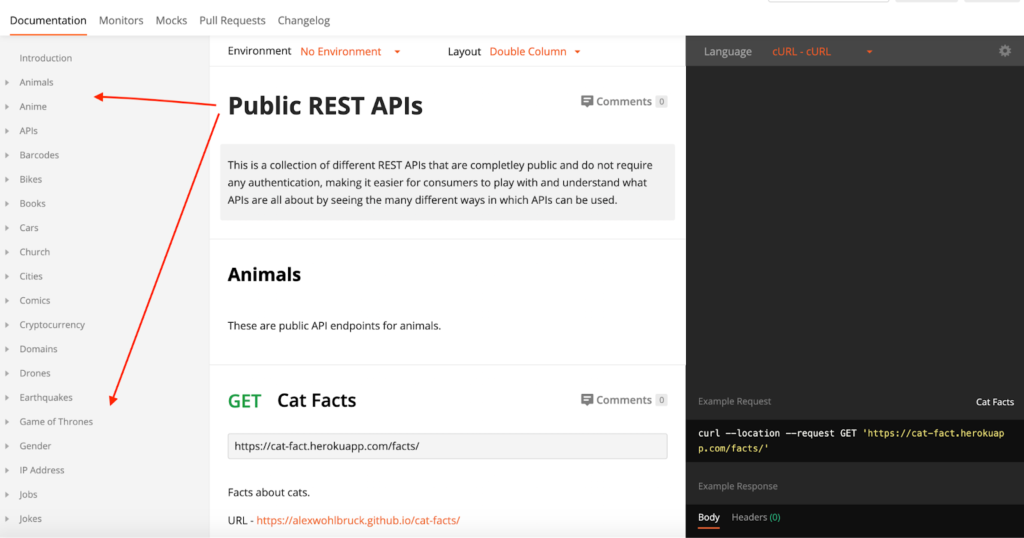
An API is one of the most important digital technologies today. An application programming interface, or API, is a type of computer software that lets different applications interact with each other. APIs are often used when developing software programs, and programmers typically utilize them to access certain features within one application and make them available in another.
For instance, you may have an accounting program that needs access to your customer database. Instead of writing all of the code for this feature yourself, you can use an existing database management program’s API and get what you need through it.
Another example might be connecting your website with Facebook so visitors don’t have to re-enter their information every time they log in. You would use Facebook’s OAuth API to generate an app that allows people who’ve already authenticated on Facebook to easily log in on your site as well.
This connection makes the process much smoother and avoids potential security issues since people during API Development are not asked to enter their credentials into two different sites.
What are the 4 types of API?
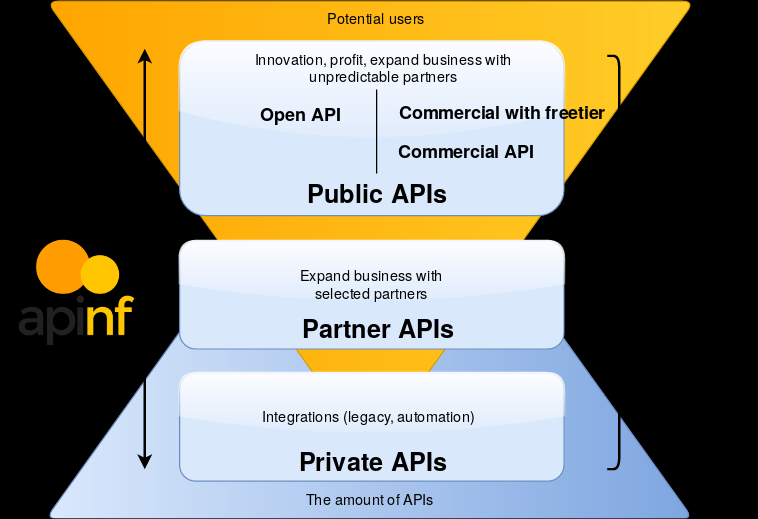
There are four main types of APIs:
Open APIs
Open APIs are the most common type of API, allowing third-party developers to integrate their products with your platform. Open APIs provide developers access to an application’s data and functionality without any prior approval from the developer. The value of an open API is based on its availability and ease of use, making it the easiest way for developers to get started using your product.
Open APIs come in two different types-
- Public
- Private.
Public APIs
allow anyone to register and start developing with them, while private APIs require registration or invitation before a developer can start working. Public APIs are best for businesses where a large number of third-party developers will be accessing the same information regularly (e.g., Salesforce).
Private APIs
should be used when you have less frequent interactions between third parties (e.g., Quora). They also work well for businesses that want tight control over what data is being accessed by third parties. But that control doesn’t come without risks; opening up data sets opens up opportunities for other companies to build new features that steal customers away.
For example, Facebook’s Graph API allowed other apps to make searchable profiles of people within Facebook’s network. By giving developers a set of tools that allowed easy interaction with Facebook’s users, Facebook unwittingly created competition amongst itself.
To avoid this problem and maintain customer loyalty, private APIs need to be heavily vetted before they’re made available so as not to give away too much information about your company or worse yet end up competing against yourself!
Partner APIs development
Building an API for your company can be expensive and time-consuming. Choosing the right partners can save you from building out everything on your own, but it’s important to know what you’re getting into when working with someone else’s platform or technology.
For example, if you’re building an app that needs access to sensitive customer information, it would be wise to consider whether the partner has security protocols in place for safeguarding that data.
What are the licensing terms? Do they charge per call, per download, or some other pricing model? What are their response times? How do they handle errors? These are all things to consider when partnering with someone who will help create your API strategy.
Internal APIs
Internal APIs are the most important type of APIs and have the most potential for enterprise-level success. As such, this guide will be devoted specifically to them. If you’re not sure what an internal API is, it’s simply an interface between two or more software systems within the same company.
These types of APIs can include ERP integration, CRM integration, data management, and many other types of applications that can help your company function as smoothly as possible.
To make sure they work properly, there are three key factors you need to keep in mind.
- You must think about how they’ll work internally before publishing them publicly.
- You should think about who needs access to these interfaces and how users will interact with them before exposing the API to outsiders.
- You’ll need documentation in place so that developers know what goes into building these interfaces.
If you’ve been struggling with getting these internal APIs off the ground, it may be time to invest some time into researching tools like Swagger or RAML that can help streamline your efforts. At the end of the day, if you want successful results from your enterprise-level integrations, remember those three key steps!
Composite API
The Composites API is the most common and robust way of handling multiple inputs and outputs. The Composites framework enables you to compose an input and one or more output components with any number of their sub-components, in any order.
This means you can create a composite that combines two different transformations for the input, with two different transformations for the output. You could even have three transformations for the input, five transformations for the output, or anything in between. With the Composites API, you are only limited by your imagination.
You can also provide custom attributes on individual transformation and transformation sets. Attributes allow user customization of configurations at run time through dynamically assigned values and then saved back to config files automatically during runtime.
Finally, no transformation has to be specified as final since there are no restrictions on recursion within this framework, so this feature facilitates a workflow where every step is defined in terms of other steps without having to specify it as the last step before exiting from the composition process.
The composites framework supports scaling from simple data transformation up to full system integration by offering a modular approach that supports flexible composition through its use of composites.
Conclusion
This guide has given you the resources and information necessary for developing an effective API. Follow these steps and you will be on the right track.
However, there is one more thing that w would like to mention before we close out. A successful API strategy requires much more than this blog post. There are so many aspects of an effective API that users should know about. Hopefully, this article will help you figure out the type of API you want in your API Development.