
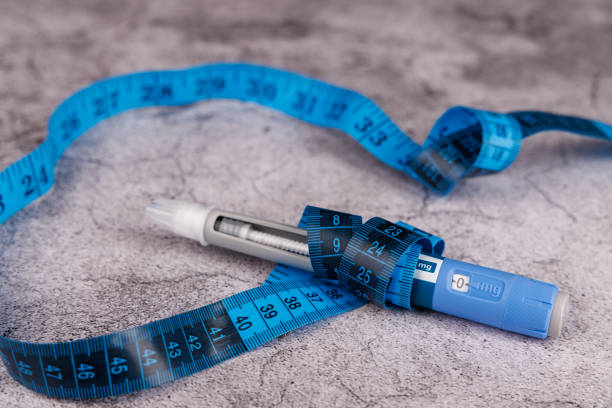
Understanding Prescription Weight Loss Medications
Losing weight is not an easy process for everyone. Some people can lose weight with diet and exercise alone, while others find that they still don’t see results even after making a regular lifestyle change. Weight management can be affected by a variety of factors, including genetics, hormones, medical conditions and metabolism.
Healthcare science is constantly evolving and now there are more tools and resources to assist those who require extra assistance. One of the most popular choices available now is GLP-1 medications, which are now widely used in the treatment of obesity and type 2 diabetes. It is important to understand how these medications work, who may benefit from these medications, and what realistic expectations are for using these medications before considering using this type of treatment.
Understanding How They Work
Hormones are naturally made in the body that help control the sensation of hunger and blood sugar. One of these hormones tells the brain to stop eating as well as slows the movement of food down the stomach.
These medicine simulate that process. This leads to a decrease in appetite and increased fullness during the day, and also less craving for food. The body is supported to regulate hunger in addition to willpower.
This does not make everything “gross” or make food “boring” or eating “unfunny”. Rather, the majority of individuals just discover how to manage their servings and steer clear of needless snacking.
Who can be a candidate?
These medications are not for those who want to shed a bit of weight before holiday or other special occasions. They are typically offered to people who are overweight or obese, and experience medical issues related to their weight.
A healthcare provider will look at a number of factors before making a treatment decision, such as:
- A measurement of body weight for height, called BMI.
- Existing medical conditions
- Blood sugar levels
- Weight loss efforts in the past
- Current medications
- Overall health history
Treatment is individualistic and you need medical assessment before starting treatment with a professional.
Lifestyle Changes Still Matter
It is a big mistake to think that just taking the medicine will help you to lose weight for life.
The truth is that the most successful outcomes are usually seen when combined with healthy lifestyle practices. With a balanced diet, regular exercise, getting adequate sleep and managing stress still being of great importance.
Consider medicines as part of a treatment plan, and not an alternative to living well.
When a person learns to make sustainable habits, along with medical treatment, it is easier for them to continue moving forward in the long term.
Progress Takes Time
After beginning a new treatment, it’s only natural to hope for big results right away. But a healthy weight loss generally occurs over a longer period of time.
Doctors might start with a lower dose and gradually increase it as time goes on. This slow onset will help to make them more comfortable and can minimize side effects.
Everyone responds differently. Changes in appetite might be seen in the first few weeks, or it can take longer.
It’s not about losing weight fast, but about changing and improving your body over the long haul.
Possible Side Effects
These medicines – as with many prescription drugs – may have side effects, especially when taken in the early stages.
- Common side effects are:
- Mild nausea
- Earlier feeling full than usual.
- Occasional stomach discomfort
- Constipation or diarrhea
- Temporary fatigue
For most, these symptoms get better with treatment adjustments. During the adjustment period, healthcare professionals may suggest eating smaller meals, staying hydrated, and avoiding rich foods.
When there are any symptoms that are more severe or persistent, it is always important to talk to a medical professional.
Consistency Is Important
Consistency is key to success with treatment.
Doing so may impact the results. Similarly, after stopping the treatment, a person might find it more challenging to keep their weight off if he or she returns to old eating patterns.
Follow-up appointments enable healthcare professionals to track progress, resolve anxiety, and evaluate if changes are required.
Weight management is not a project, it’s a process.
Looking Beyond Weight Loss
Many people not only lose weight but also improve their general health while they are on a weight loss diet.
Depending on their medical condition, people may notice benefits such as:
- Improved blood sugar control
- Improved blood pressure
- Increased energy levels
- Better mobility
- Less stress on joints.Minimized joint stress.
- More certainty about activities of the day
These enhancements can be just as important to quality of life as the pounds shed.
Questions to Ask Your Healthcare Provider
It’s best to have an open discussion with your healthcare provider before you begin treatment.
Try to ask some questions, like:
- Is there anything I need to correct?
- What is the real outcome I can expect?
- What is the duration of a treatment?
- What do I need to change in my life?
- What are side effects to be expected?
- What will be done to track my progress?
It can be easier to manage treatment and eliminate uncertainty if there is clear expectation.
Building Long-Term Success
The most effective medical responses occur in the context of a larger plan to live a healthier lifestyle.
Little things can add up in time. Creating a balanced diet, getting regular medical check-ups, exercising regularly, and getting good sleep are all key to making a difference today and in the long run.
It is beneficial to pay attention to the changes of energy, mobility, confidence and general health as opposed to the number on the scale.
Final Thoughts
There are a lot of factors in weight control which are more than diet and exercise. Nowadays, technological progress in medical care provides more options for those who require extra assistance.
With the right dosage and use, and when the drug is part of a larger weight management program that includes lifestyle modifications, glp-1 can be used as a part of a treatment plan. What’s important is to have a realistic attitude towards treatment, regular medical monitoring and a long-term commitment to creating healthier lifestyles that can be sustained long after the weight loss phase has ended.