
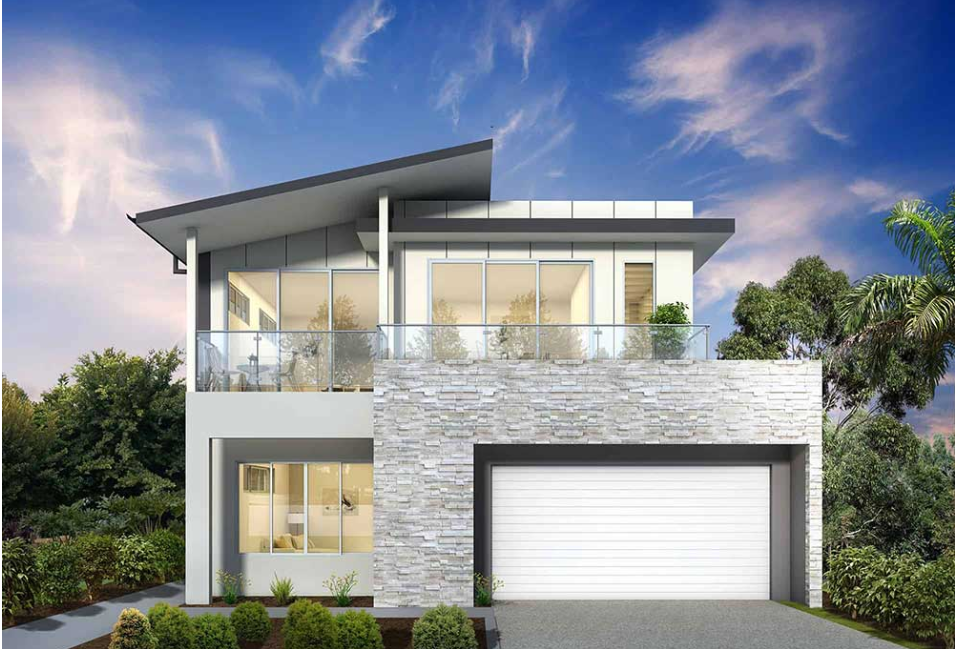
Perth Home Construction Costs in 2026: What’s Driving the Prices?
As you probably have been hearing lately from home builders Perth, bricklayers and even friends that are in the process of renovating, they are all saying some version of “It is just too expensive to build right now.” While you likely thought that this was an exaggeration or builder excuse, it is not.
The construction costs here in Perth for 2026 are being driven by a combination of some very strange forces (some of which are easing and some of which are intensifying) and also by some things that are unique to this state and are not present anywhere else in the country.
The positive news is that the insane spikes in material prices from 2021-2023 have mostly levelled out. However the less positive news is that there are now new pressures related to the construction industry that are replacing the spikes in materials; simply put, there aren’t enough tradesmen in Perth to meet the demand for tradespeople and that shortage is currently the number one contributing factor to what you will pay for your build in 2026.
This report has been created so you have a clear picture of how Perth’s construction costs are being driven this year in terms of the materials you are planning to use, the labour that you will require, the costs associated with land that you will purchase, and the shortage of qualified tradespeople; so that when you do build, you will have realistic estimates versus guesses.
Perth’s Building Costs in 2026: The Big Picture
Where are we today? Currently, a 4 bedroom, 2-bathroom house in Perth can be built (depending on size/ design/ finish level) for about $420,000. When comparing these costs between builders and various floor plans, it is much clearer when looking at the price per square metre. Even with recent cost pressures, Perth is still one of Australia’s more affordable capital cities to build.
This affordability is relative, however, as forecasts by Rider Levett Bucknall predict that the cost to build in Perth will grow at a rate of 5.3 per cent in 2026 — which is above the national average and indicates the high levels of competition for both skilled workers and materials in the local area. The cost of building in Perth currently sits between approximately $513,000 and $993,000, based on the level of inclusion into the home and design style; however, the average price for an established home is currently $773,000. This gap is closing, but, as you will see, the variations still exist in every suburb and finish level.
So what is influencing these prices? The three main factors are materials, labour and the unique shortage of trades people in Perth.
Material Costs: Stabilising, But Not Falling
What surprises people the most when they consider the material cost of construction is how little they actually increase year on year. From June 2025 until June 2026, the Australian Bureau of Statistics has reported that input prices for constructing homes increased by just 0.9%, which is actually the lowest amount of annual growth recorded since 2021; this is very different from the 12.2% annual increase recorded in June 2022.
This is an incredibly significant change! Supply chain issues have disappeared globally, there have been virtually no shipping problems due to bottlenecks within the past year, and the panic purchasing behaviours that we experienced in 2021 through 2023 have fallen off dramatically.
However, the fact that many prices are now” stabilizing” does not mean that many builders will find the prices for their materials to be cheaper than before; there are still a lot of prices for the same materials that remain much higher than they were pre-2020, and several categories of materials are continuing to increase sharply.
Current Producer Price Index data indicate prices for several construction-related materials are under significant pressure at this time. For example; in March of 2023 the cost of ready-mixed concrete rose 1.7%, mainly due to energy-intensive production costs and fuel surcharges.
Prices of both copper and aluminium have continued to rise, which translates to increased costs for electrical wiring, conduit, and other types of electrical equipment. If your project involves any significant amount of metal fittings/connections or if you’re designing a footing that is heavy with concrete, you will feel much more impact of these costs than someone building a more simple wooden frame house.
Practical tip: Ask your home builders Perth which materials in your specific design are most exposed to current price movement (concrete and electrical fit-out are the two to watch in 2026) and consider locking in those quotes early if your contract allows it.
The Real Story: Perth’s Trades Shortage Is Now the Biggest Cost Driver
Perth’s 2026 story is very differently positioned to the rest of Australia, and it is the Perth market that builders are feeling the most impact from. The HIA’s Daily Trades Availability Index figure for March 2026 was -0.62 for the whole country, but the regions of Perth experienced far worse than any of the Eastern States, showing that there is a structural shortage of trades being felt in the Perth market, which has been impacted as much as raw materials by the material cost increases.
The two trades that are currently experiencing the majority of the impact to date are bricklaying and ceramic tiling; bricklaying has a trades availability index number of -1.36, which makes it the most impacted of all capital cities in Australia, and ceramic tiling numbers are close behind at -1.03, ranking it consistently second in terms of trades availability shortage across Australia each quarter. These figures are not one-offs and have been consistently appearing in HIA Trade Availability Reports for more than 12 months.
What is causing this? The Mining & Construction industries in Perth are pulling workers away from residential building projects due to the much higher wages these industries are able to offer. Industry figures tell of trade persons such as plumbers, electricians & Perth bricklayers earning as much as $250,000 per year in Perth (10 to 15% above the national average) because of the massive difference between demand and supply of their work.
This is affecting home owners in two major ways – first, it is taking much longer to schedule a tradesman and second, the hourly rates or per sq metre rates are much higher than expected once they arrive to do the work.
If you are budgeting for brick work on your new build or extension, bricklayers in Perth are amongst the hardest trades to secure on a short notice; booking 8 to 12 weeks before you will need them at your site is now a requirement rather than just good practice.
Why Brick and Tile Specifically Cost More Right Now
The supply dynamic of building is at the center of a second layer of the story that we see as being distinctly different from the people’s side of the trade. In Perth, there is also a significant shortage of brick and currently a standard clay brick is $814 per 1,000 and a facing brick is even more expensive; however, the minimum time frame to obtain bricks could be as much as four months.
This creates an issue as to how these materials compound the issue with the lack of available labour; therefore, getting a bricklayer to commit to a specific time does not guarantee that the bricks will be available at the time the bricklayer is ready to begin working.
Also, with ceramic tile being the second highest trade shortage in WA behind roofing, it is now becoming increasingly common for tiling/concrete contractors to be booked out further in advance than they were just twelve months ago. Again, the shortage of supplies will impact labour pricing for new builds or renovations as a direct result of the availability of both the materials and the labour to install them.
Practical tip: If your project includes much brick/tile work, such as a brick feature wall, full brick exterior or large format tiles in a bathroom, you should secure those trades into your construction schedule as early as possible, preferably before your final design is approved.
What This Means for Your Build Budget in 2026
Here’s the most likely scenario for anyone hoping to build in Perth this year:
- Material costs are stable relative to 21-23, however they are not decreasing any further, therefore budget accordingly with current rates rather than pre-COVID costs.
- The amount of labour is likely to be the greatest influencer on 2026 with labour availability being a greater issue than it is in most other cities in Australia.
- Bricklaying and tiling currently have the highest wait times and mark up percentages compared to other residential trades in 2026.
- Concrete or electrical equipment with a lot of concrete equipment (also known as Heavy Electrical) will have a higher possibility of continuing to rise in material costs compared to standard houses.
- Timelines for completing builds are a direct reflection of previous points, with more commonplace residential builds exceeding the 12 months completion window.
None of this means building in Perth is a poor investment in 2026 – still one of the most affordable capital cities to build, and the worst part of the price shocks have already passed. It does, however; underline more than ever the importance of; planning budgeting (with realistic buffers) and securing trades at an early stage.
Conclusion
There are two sides to the construction market in Perth for 2026 — there are parts of the market that are getting easier (or less competitive), and other areas are becoming very much harder (or more competitive).
The key to understanding what will happen to your project budget over time is to identify which of these pressures ( on your project ) are temporary versus structural in nature.
If you’re about to start a new build, renovation or extension in Perth and require assistance in determining a realistic and current cost for your specific project, please reach out to our team at BODA Building Group who would be more than happy to work through your project cost estimation with you.
We would also like to offer you an opportunity to schedule an obligation-free consultation regarding your project and timelines.