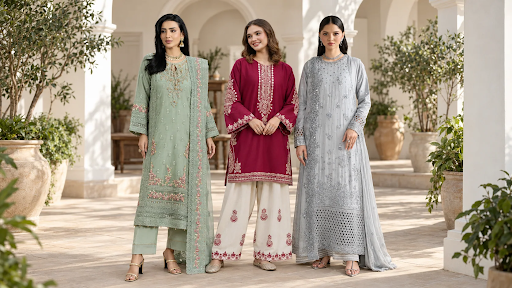
Pakistani clothing represents a rich combination of cultural heritage, traditional craftsmanship, and changing fashion trends. Among the most recognised outfits are shalwar kameez, kurta, and gharara, each offering a distinct style, design, and purpose. These garments reflect the diversity of Pakistani fashion and remain popular for everyday wear, family gatherings, weddings, and festive occasions. From simple cotton suits to heavily embroidered formal dresses, traditional clothing offers options for different seasons and personal preferences. Understanding the differences between these outfits makes it easier to recognise their features, fabrics, and styling possibilities while appreciating the cultural importance of Pakistani clothing.
Understanding Traditional Pakistani Clothing
Traditional Pakistani clothing is closely connected to regional culture, lifestyle, and historical influences. Different regions have developed distinctive clothing styles, embroidery techniques, colours, and fabric preferences. Punjab, Sindh, Balochistan, and Khyber Pakhtunkhwa each contribute unique elements to the country’s fashion identity.
Shalwar kameez remains one of the most widely recognised traditional outfits because of its comfortable structure and versatile appearance. Kurtas offer a simpler silhouette that works for casual and formal settings, while ghararas are associated with elaborate traditional dressing, particularly at weddings and celebrations. Modern designers continue to introduce updated cuts, decorative details, and contemporary fabrics while maintaining the original character of these garments.
- Shalwar Kameez: A Classic Pakistani Outfit
Shalwar kameez is one of the most popular traditional outfits in Pakistan. The outfit consists of two main pieces: a kameez, which is a long or medium-length shirt, and a shalwar, which is a loose-fitting trouser. A dupatta is often included as an additional accessory, completing the traditional appearance. The combination provides comfort, flexibility, and a modest style suitable for different occasions.
The shalwar can feature a traditional loose cut, straight shape, or modern tapered design. Similarly, kameez styles range from simple everyday shirts to long embroidered designs with detailed necklines, sleeves, and borders. Cotton and lawn are common choices for summer, while khaddar, linen, and heavier fabrics are preferred during colder months.
Popular Shalwar Kameez Styles
Different shalwar kameez designs provide a variety of appearances depending on the cut, fabric, and decoration. Straight-cut suits offer a clean and balanced silhouette, while A-line shirts create a slightly wider shape towards the bottom. Anarkali-inspired kameez designs feature a flared structure that adds movement and a traditional festive appearance.
Printed lawn suits are suitable for everyday activities, whereas embroidered chiffon and organza outfits are commonly selected for formal gatherings. Palazzo trousers and cigarette pants also provide modern alternatives to traditional shalwar designs. These variations make shalwar kameez a practical choice for different age groups and occasions.
- Kurta: A Simple Yet Versatile Traditional Garment
A kurta is another important part of Pakistani clothing, recognised for its simple structure and comfortable fit. It is generally a loose shirt that can be knee-length, shorter, or longer depending on the design. Kurtas are available for both men and women, with differences in cuts, decorative details, and styling.
Men’s kurtas are commonly paired with shalwar, straight trousers, or churidar pants. Women’s kurtas can be styled with trousers, leggings, palazzos, or traditional shalwars. Everyday designs usually feature minimal decoration, while formal versions may include embroidery, buttons, threadwork, and decorative collars.
Different Types of Kurtas
Straight kurtas are among the most common options because of their simple and comfortable appearance. Short kurtas provide a contemporary look and are frequently paired with wide-leg trousers or jeans. Long kurtas offer a more traditional silhouette and can be suitable for casual and semi-formal events.
Embroidered kurtas feature decorative work around the neckline, sleeves, and front panels. Cotton kurtas are particularly useful during warm weather because of their breathable texture. Silk, jacquard, and blended fabrics create a more formal appearance for celebrations and evening gatherings.
How to Style a Kurta for Different Occasions
For everyday wear, a cotton kurta paired with straight trousers creates a comfortable outfit. Light embroidery, simple prints, and neutral shades work well for casual gatherings and daytime activities. For festive occasions, embroidered kurtas with decorative buttons, contrasting trousers, and traditional footwear provide a more refined appearance.
Accessories can also influence the overall style. Traditional khussas, simple jewellery, and embroidered dupattas complement ethnic outfits without making the appearance overly complicated. Fabric selection should depend on the season, occasion, and desired level of comfort.
- Gharara: A Traditional Outfit for Celebrations
Gharara is a distinctive traditional outfit associated with South Asian fashion, particularly formal celebrations and wedding functions. It generally consists of a short or medium-length shirt paired with wide-legged trousers. The trousers are fitted around the thighs and flare dramatically from the knees, often featuring a decorative joint or panel known as a gota.
Ghararas are recognised for their graceful movement, detailed embellishments, and traditional appearance. They are frequently decorated with zari, sequins, embroidery, lace, and traditional threadwork. Luxurious fabrics such as silk, chiffon, organza, and jamawar are commonly used to create elaborate designs suitable for weddings and festive occasions.
Traditional and Modern Gharara Designs
Traditional ghararas often feature intricate embroidery, wide flares, and decorative borders. Classic designs may include heavily embellished shirts paired with matching trousers and dupattas. These outfits are particularly popular for mehndi celebrations, wedding events, and formal family gatherings.
Modern gharara designs introduce lighter fabrics, softer colour combinations, and updated shirt lengths. Some designs feature minimal embroidery, while others maintain traditional decorative elements with contemporary tailoring. Pastel shades, floral patterns, and delicate embellishments have also become popular choices for festive dressing.
Gharara vs Sharara: Understanding the Difference
Gharara and sharara are often confused because both feature wide-legged trousers. However, the construction creates a noticeable difference between these garments. A gharara usually has a fitted section around the thighs, followed by a dramatic flare beginning near the knees. A decorative joint or gathered panel often highlights this transition.
A sharara generally features a wider, more continuous flare from the waist or hips towards the bottom. Both outfits offer a traditional festive appearance, but their silhouettes create different styling effects. Understanding these differences helps when selecting an outfit for weddings, formal dinners, and cultural celebrations.
- Choosing the Right Fabric for Pakistani Outfits
Fabric plays an important role in the appearance, comfort, and suitability of traditional clothing. Lightweight materials such as lawn, cotton, and voile are popular during warmer months because of their breathable qualities. These fabrics are suitable for everyday shalwar kameez and casual kurtas.
For winter clothing, khaddar, linen, velvet, and thicker blended fabrics provide additional warmth. Formal outfits often feature chiffon, silk, organza, net, and jamawar. These materials support decorative embroidery and create an elegant finish. Seasonal conditions, outfit design, and the level of embellishment should all be considered before selecting a fabric.
- Pakistani Clothing for Weddings and Family Gatherings
Traditional outfits remain an important part of Pakistani weddings and family celebrations. Shalwar kameez provides a versatile option for daytime functions, dinners, and smaller gatherings. Embroidered kurtas are suitable for occasions that require a neat and traditional appearance without excessive decoration.
Ghararas are particularly popular for mehndi, dholki, and wedding celebrations because of their flared silhouette and decorative details. Rich colours such as maroon, emerald green, navy blue, and gold create a classic festive appearance. Pastel shades, including mint green, blush pink, and lavender, offer softer alternatives. The choice of outfit should consider the event, weather, fabric, and level of formality.
- Practical Tips for Selecting Traditional Pakistani Outfits
Selecting suitable traditional clothing involves more than choosing an attractive design. Fabric quality, fitting, stitching, and comfort all contribute to the overall appearance. A well-fitted kameez should allow comfortable movement without feeling too tight around the shoulders or chest. Trouser length and waist fitting should also be checked before purchasing.
For ghararas, attention should be given to the flare, stitching around the knee panels, and overall length. Decorative work should be properly secured, particularly around embroidered borders and lace details. Checking size charts, fabric descriptions, washing instructions, and product photographs is especially useful when purchasing Pakistani outfits online.
- The Lasting Importance of Pakistani Traditional Fashion
Shalwar kameez, kurta, and gharara represent different aspects of Pakistani fashion, but all three share a connection to cultural identity and traditional craftsmanship. Their continued popularity demonstrates how classic clothing can remain relevant through changing fashion preferences.
Modern tailoring and updated colour combinations have expanded the variety of traditional outfits without removing their cultural character. From simple daily clothing to elaborate wedding ensembles, these garments offer practical and stylish choices for different occasions. Their versatility, distinctive designs, and connection to cultural traditions make them an important part of Pakistani fashion.
Explore Traditional Pakistani Fashion with Filhaal UK
Filhaal UK provides a destination for exploring Pakistani fashion and traditional clothing styles in the UK. For people interested in shalwar kameez, kurtas, ghararas, and other ethnic outfits, access to Pakistani-inspired fashion offers an opportunity to enjoy traditional designs while living abroad. Understanding fabric choices, outfit styles, and occasion-based designs makes selecting suitable clothing easier. Filhaal UK brings attention to the value of Pakistani fashion for UK-based shoppers who appreciate cultural clothing, traditional aesthetics, and contemporary styling. Its connection to Pakistani clothing helps keep traditional fashion relevant for celebrations, family gatherings, and everyday occasions.