
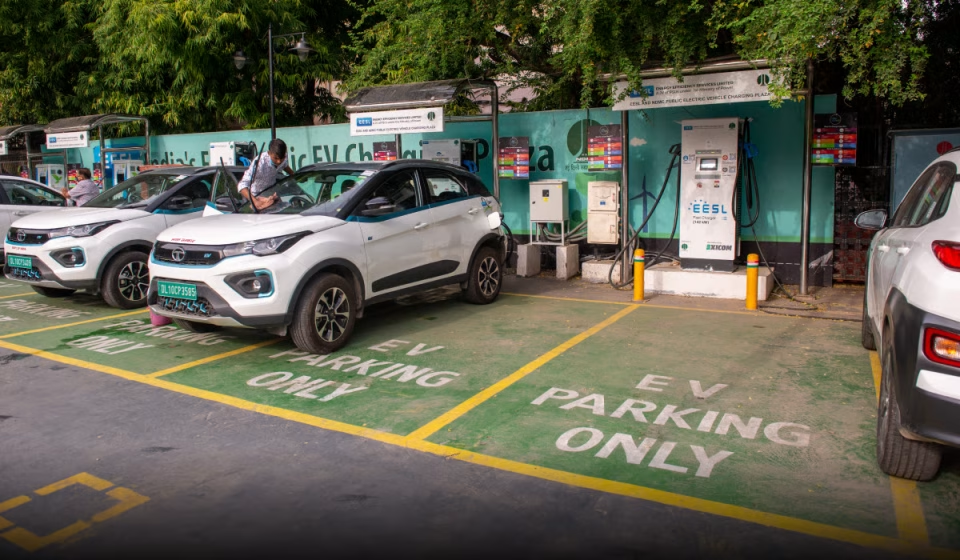
EV Charging Station Franchise Cost: Investment, Setup and Business Opportunities in India
The growing adoption of electric vehicles (EVs) in India has created new opportunities for entrepreneurs and investors. As more people switch to electric cars, two-wheelers, and commercial vehicles, the demand for reliable charging infrastructure continues to increase. Starting an EV charging station business offers an opportunity to participate in this expanding market while supporting cleaner transportation.
Before entering this industry, investors need to understand the EV charging station franchise cost, the infrastructure requirements, potential revenue sources, and the factors that influence profitability. Careful planning helps entrepreneurs choose a business model that matches their budget and local market demand.
What Is an EV Charging Station Franchise?
An EV charging station franchise allows an entrepreneur to establish and operate a charging facility under an established charging network or brand. Depending on the company’s business model, the franchise provider may offer equipment, installation guidance, software, branding, technical support, and operational assistance.
Some companies provide comprehensive franchise packages, while others require investors to arrange land, electrical infrastructure, and installation independently. Understanding these differences is essential before making an investment.
What Is the EV Charging Station Franchise Cost in India?
The total investment depends on the type of chargers installed, the number of charging points, the location, electricity connection requirements, and the franchise agreement.
The following figures are illustrative planning estimates, not verified franchise quotations.
| Expense category | Estimated investment |
| AC charging equipment | ₹50,000 to ₹2 lakh per unit |
| DC fast charging equipment | ₹3 lakh to ₹15 lakh or more per unit |
| Electrical installation and cabling | ₹50,000 to ₹5 lakh or more |
| Civil work and site preparation | ₹50,000 to ₹3 lakh |
| Software, networking and payment systems | Varies by provider |
| Land, lease and utility upgrades | Depends on location |
A small AC charging setup may require a relatively modest investment, while a commercial fast-charging station with multiple chargers may require several lakhs to tens of lakhs of rupees. High-capacity installations and expensive land arrangements can increase the overall budget significantly.
When evaluating the electric charging station franchise cost in India, request a detailed quotation that separates equipment prices, installation charges, software fees, recurring costs, and taxes.
Factors That Affect Your Initial Investment
1. Charger Type and Capacity
AC chargers generally cost less and suit locations where vehicles remain parked for longer periods. DC fast chargers require a higher initial investment but support quicker charging and may suit highways, fleet hubs, and busy commercial locations.
2. Location and Land Availability
A station near highways, shopping centres, offices, hotels, residential communities, or fleet operating areas may attract different customer segments. Owning suitable land can reduce rental expenses, while leased locations add recurring costs.
3. Electrical Infrastructure
The available electricity connection, sanctioned load, transformer requirements, cabling, and other electrical upgrades influence installation expenses. A site assessment helps identify these costs before construction begins.
4. Franchise Support and Operating Fees
Franchise packages differ in the services they include. Some cover charger procurement and software integration, while others charge separately for branding, maintenance, or platform access. Review the agreement carefully to understand the complete financial commitment.
How Can an EV Charging Station Generate Revenue?
An EV charging station may generate income through several channels.
- Charging fees: Customers pay according to the applicable charging tariff or energy consumed.
- Fleet charging: Delivery companies, taxis, and commercial fleets may provide recurring demand.
- Commercial partnerships: Hotels, restaurants, parking operators, and retail businesses may partner with charging providers.
- Additional services: Depending on the site, operators may earn revenue from parking or nearby commercial facilities.
Actual earnings depend on charger utilisation, electricity costs, service fees, maintenance, rent, and local competition. High charging capacity alone does not guarantee profitability.
Before investing, prepare a financial projection using realistic daily charging sessions, average energy delivered per session, and operating expenses.
How to Choose the Right EV Charging Franchise Partner
Selecting a suitable franchise partner requires more than comparing initial prices. Evaluate the provider’s technical capabilities, equipment quality, service network, software platform, and commercial terms.
Ask the company about charger warranties, installation support, maintenance response times, payment settlement procedures, and expected ongoing fees. Request references from existing operators and review the agreement for exclusivity, termination, and equipment ownership clauses.
Also check applicable central and state government guidelines, local permissions, electricity connection requirements, and any available incentives. Eligibility and support vary by scheme, location, and project conditions.
Is an EV Charging Station Franchise Worth Considering?
An EV charging station franchise may suit entrepreneurs who have access to a suitable location, understand local vehicle demand, and have sufficient capital for installation and ongoing operations.
However, the business requires a realistic assessment of utilisation and cash flow. Compare multiple equipment and franchise quotations, calculate the break-even point, and maintain a reserve for repairs, rent, electricity expenses, and slower-than-expected demand.
The right investment decision depends on the location, charger mix, franchise terms, and expected customer volume rather than the initial franchise fee alone.
Conclusion
Understanding the EV charging station franchise cost is an important first step toward entering India’s EV infrastructure sector. From charger selection and electrical installation to location planning and revenue estimation, each decision affects the total investment and long-term business performance.
Entrepreneurs who conduct proper market research, compare franchise providers, and build a realistic financial plan will be better positioned to evaluate this opportunity and develop a charging business suited to their target market.