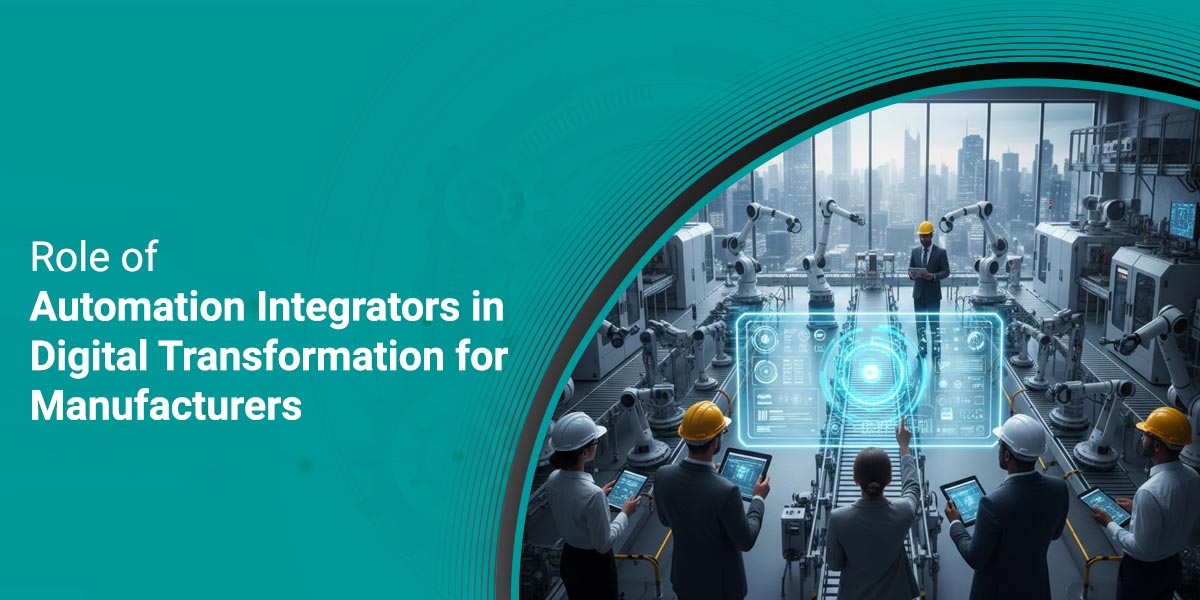
Digital transformation feels like a huge task for many factories today. Heads of plants want safer sites, sharper output, and steady quality. But they also deal with old systems, rising costs, and teams who fear change. In the middle of all this, the need for Automation in Chemical Industry has grown faster than anyone expected.
Every plant manager now looks for new ways to control waste, improve uptime, and cut human error. Yet the road is not simple. Many plants run machines that are ten or twenty years old. Some rely on a mix of brands that never spoke to each other well. This gap creates stress for workers and leaders who want progress but fear downtime.
This is where automation integrators step in. They act as a bridge between old tools and new ideas. They help plants move from “we have no time to change” to a place where “change helps us save time.” They bring clarity to a space that often feels messy.
Their calm view of machines, networks, and human habits helps factories shift without breaking the flow of day-to-day work. They treat every plant as a unique story, not a copy-paste case. That is why their role in digital transformation matters so much today.
Why Manufacturers Need Integrators Now?
Factories face new pressure each year. Energy costs rise. Wrong batches cause huge loss. Safety rules become stricter. Skilled workers migrate to new jobs. Every owner knows the stakes. And still, teams inside plants often feel stuck because the systems are not ready for modern tools. Integrators remove this fear.
They do not push change for the sake of change. They study each line, each shift, and each machine. They ask simple questions:
- Where do errors start? Why does this step slow down? How do workers use the screen? What breaks most often?
- These questions help build trust because the focus stays on people first, machines second.
How Integrators Bring Old and New Together?
Most factories use machines from many brands. Some machines came with basic panels. Others came with smart drives. Some talk about modern software. Others do not speak at all. Integrators build a common path for all of them. Their job is not just wiring. Their job is to make the whole line work as one.
They help industry owners replace fear with ease. They upgrade PLCs without shutting the whole plant. They improve SCADA screens without confusing operators. They track hidden issues that teams see every day but cannot explain. For example, a mixer that slows for five minutes each hour may look fine at first. But an integrator studies logs, power load, and shift patterns to find the real cause. Once solved, the whole line gains speed.
Making Digital Tools Feel Natural to Workers:
Digital transformation often fails when workers feel lost. Many plant staff prefer the tools they have used for years. They worry that new systems will judge their skills. Integrators understand this. They shape screens, alarms, and workflows that feel simple. They involve workers during trials. They train them in small steps, not in long sessions that drain their minds.
This human touch avoids fear. It builds pride. When workers see that their ideas matter, they support the change. And once they trust the new system, leaders get smoother reports, fewer delays, and a line that stays stable even when the most experienced operator is on leave.
Integrators Reduce Downtime and Human Error:
Errors often come from small things: wrong readings, late manual checks, old sensors, or slow screens. Integrators fix these gaps. They bring smart checks that warn teams before something fails. They link machines so the line slows in a controlled way rather than stopping suddenly. This not only keeps output steady but also protects workers.
For many plants, the biggest fear is downtime. Every minute lost costs money. With the help of integrators, plants cut unplanned stops. Data flows from sensors to dashboards in real time. Teams see issues before they grow. The whole factory becomes calmer and more predictable.
Helping Plants Move Toward Smart Manufacturing:
Smart manufacturing is not a switch. It is a slow movement. Integrators guide this movement with patience. They do not overwhelm teams with too many numbers. They introduce small tools that solve real pain points. A smart sensor here. A new alarm rule there. A reporting tool to track batch trends. Little by little, the plant shifts from manual efforts to smart control.
This shift builds confidence. Once teams see the impact of small upgrades, they open up to bigger ideas: predictive checks, cloud dashboards, machine-wise KPIs, and energy tracking. And soon, the plant begins to behave like a smart unit that learns every day.
Integrators Bring Clarity to Complex Data:
Modern factories generate huge amounts of data. But raw data does not help anyone. Integrators clean this data. They present it in a way that managers can act on. They map data to real events on the shop floor. They link alarms to root causes, not just noise. They shape dashboards so leaders see problems, not just numbers.
A plant owner who sees clear data sleeps better. They reduce blind spots. They make fair plans for manpower. They invest in the right upgrades. And their teams feel valued because decisions no longer depend on guesswork.
Creating Long-Term Peace of Mind for Manufacturers:
The biggest gift integrators offer is peace of mind. They help plants achieve stable output. They remove the stress of sudden breakdowns. They teach teams to trust digital tools. They bring order to spaces that once felt chaotic. And they stay with the plant for years, guiding upgrades slowly and safely.
Manufacturers want growth, but they also want calm. Digital transformation gives both when done right. Integrators are the ones who make this possible. They walk with factory teams through every stage, from study to design to testing to handover.
Why Independent Integrators Matter More Than Ever?
Many factories fear being locked to one vendor. They want freedom. Integrators give them that freedom. They can work with any brand, any system, any model. They focus on what the plant needs, not what one vendor wants to sell. This neutrality builds trust. It keeps the focus on output, safety, and the people who run the line.
Their role becomes even stronger when plants plan expansions, new lines, or energy-saving projects. They help owners choose the right tools without bias. They spot hidden risks that vendors often ignore. They also help connect plants in different cities, states, or countries. With them, remote monitoring becomes simple.
Conclusion:
In a time when factories want speed, safety, and stable output, automation integrators act as their quiet support. They make digital transformation smooth, steady, and human-friendly. They respect old systems while guiding teams into the future. They help owners gain control without losing peace. And with the steady rise of every Automation Solution Provider in India and each Automation Solution Provider in Gujarat, the value of strong, trusted integrators will only grow.
This is why many manufacturers today choose partners like NIKKA INC. to bring calm, clarity, and progress to their plants.