
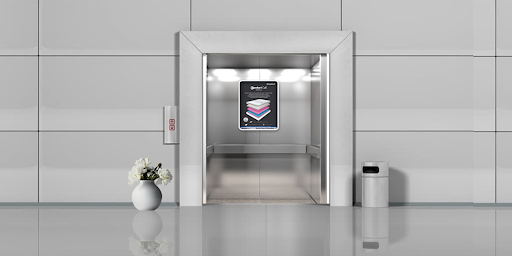
Outdoor Advertising Agency: Your Complete Guide to Creative Outdoor Ads That Work
Introduction
Before anyone opens an app or types a search query, they walk out the door and see your brand on the street. That’s the enduring power of outdoor advertising — and why brands across India continue to invest heavily in it. A skilled outdoor advertising agency can turn a city’s streets, highways, and buildings into a brand-building machine.
Outdoor media advertising has evolved far beyond static hoardings. Today, creative outdoor ads include digital billboards, transit wraps, society and lift advertising, airport branding, and much more. The key is knowing which format serves your goal — and finding an agency that can execute it brilliantly.
This guide covers everything you need to know about working with an outdoor advertising agency, from the formats they offer to how to measure results.
What Does an Outdoor Advertising Agency Do?
An outdoor advertising agency specialises in placing brand messages in physical, public-facing spaces. They manage the entire process — from identifying the best locations and securing permissions to designing the creative and overseeing installation.
A good outdoor media advertising agency doesn’t just sell you wall space. They help you build a campaign strategy that considers audience movement patterns, locality demographics, and media mix to maximise the impact of every rupee spent.
They also handle renewals, maintenance, and measurement — ensuring your creative stays in top condition and that you can track the performance of your outdoor investment.
Types of Outdoor Advertising Formats
| Format | Placement | Audience Scale | Best For |
| Traditional Hoarding | Highway, arterial road | Mass reach | National brands, launches |
| Digital OOH (DOOH) | High-traffic junctions, malls | High reach + engagement | Dynamic campaigns, promotions |
| Transit Advertising | Buses, metro, cabs, autos | Mobile audience | Mass awareness, city-wide reach |
| Airport Advertising | Terminal corridors, lounges | Premium, travelling audience | Luxury, B2B, travel brands |
| Society & Lift Ads | Residential complexes | Hyperlocal, targeted | Local brands, real estate, FMCG |
| Kiosk & Retail OOH | Shopping centres, high streets | Shopping intent audience | Retail, lifestyle, FMCG brands |
Why Creative Outdoor Ads Make the Difference
In outdoor advertising, creative quality is everything. Your ad is competing with the chaos of the real world — traffic, noise, other signage, and people’s distracted attention. A bland creative gets ignored. A brilliant one gets photographed and shared on social media.
The best creative outdoor ads are designed for the environment. They consider viewing distance, natural light, the speed of the audience (walking vs. driving), and the emotional state of the viewer at that location.
An outdoor advertising agency with a strong in-house creative team will design differently for a highway hoarding at 80kmph than for a society lift panel viewed from 2 feet away. That context-aware design is what separates average from excellent.
Step-by-Step Guide to Planning an Outdoor Campaign
- Step 1 — Define your audience: Who are you trying to reach and where do they spend their time?
- Step 2 — Map your locations: Identify the corridors, localities, and transit routes your audience uses.
- Step 3 — Choose your formats: Match the format to the audience and campaign goal.
- Step 4 — Brief your creative team: Give them context on location, audience, and viewing conditions.
- Step 5 — Book media space: Your agency handles permissions, vendor contracts, and installation timelines.
- Step 6 — Install and verify: Physically confirm placements are correct and in good condition.
- Step 7 — Measure and optimise: Use footfall data, impression estimates, and brand recall metrics.
Best Practices for Outdoor Media Advertising
- Keep messaging to 5 to 7 words — outdoor is not for long copy
- Use colours that contrast with the surrounding environment
- Include your brand logo prominently — people should know who said it instantly
- Add a simple digital CTA like a QR code or short URL for measurable response
- Run campaigns for minimum 30 days — outdoor builds recall through repetition
- Combine multiple formats for synergy — lift ads + hoardings + transit create layered reach
How to Choose the Right Outdoor Advertising Agency
The outdoor advertising agency you choose will define the quality and effectiveness of your campaign. Here’s what to evaluate before committing:
- Do they have a proven media network in your target cities and localities?
- Can they handle permissions and regulatory compliance independently?
- Is their creative team experienced in context-aware outdoor design?
- Do they provide impression data and post-campaign reporting?
- Have they worked with brands in your industry or campaign type before?
Common Mistakes in Outdoor Media Advertising
- Too much text — passers-by can’t read a paragraph on a billboard
- Wrong location choice — a great ad in the wrong place reaches the wrong people
- Ignoring maintenance — faded, torn, or dirty creative destroys brand image
- Not integrating digital — outdoor campaigns work better with a digital amplification layer
- Expecting overnight results — outdoor is a brand-building tool, not a quick-response channel
Frequently Asked Questions
Q1. What is an outdoor advertising agency?
An outdoor advertising agency manages brand placements in public physical spaces — hoardings, transit vehicles, airports, society premises, and more. They handle strategy, creative, permissions, installation, and monitoring.
Q2. What are creative outdoor ads?
Creative outdoor ads are visually distinctive, context-aware advertisements designed for specific outdoor environments. They communicate one clear message quickly and leave a lasting visual impression on the passing audience.
Q3. How much does outdoor media advertising cost in India?
Costs range significantly. A small society lift ad may cost a few thousand rupees per month. A premium highway hoarding in a metro city can cost several lakhs. Agency retainers add to production and management costs.
Q4. Is outdoor advertising still effective in the digital age?
Yes. Research consistently shows that outdoor advertising drives awareness effectively, and that combining OOH with digital campaigns improves overall campaign performance. Physical presence builds trust that purely digital formats sometimes can’t.
Q5. How do outdoor advertising agencies measure campaign success?
Measurement tools include footfall estimates, traffic flow data, brand recall surveys, QR code scan rates, and in some cases, mobile location data to track audience who passed the placement and later visited a website or store.
Q6. What’s the difference between OOH and DOOH advertising?
OOH (Out-of-Home) is the broad category covering all outdoor ads including static hoardings and transit ads. DOOH (Digital OOH) refers specifically to digital screens that can run video, animation, or dynamic content.
Q7. Can outdoor advertising be targeted to specific neighbourhoods?
Yes. Formats like society ads, lift advertising, and local hoardings allow for highly specific geographic targeting. You can select placements in individual sectors, pin codes, or even specific buildings.
Q8. How do I know if my outdoor ad campaign needs a refresh?
If brand recall rates plateau, QR scans drop significantly, or your creative has been live for more than 60 to 90 days without change, it’s time to refresh. Regular creative updates maintain audience interest and engagement.
Conclusion
Outdoor advertising remains one of the most powerful brand-building tools available — but only when it’s done with the right creative, the right locations, and the right strategy. An experienced outdoor advertising agency brings all three together into campaigns that genuinely move brands forward.
Whether you’re planning creative outdoor ads across highways, transit networks, or society buildings, the principles remain the same: know your audience, design for the environment, and be consistent over time.
Ready to take your brand outdoors? Partner with a trusted outdoor media advertising agency and let your brand own the spaces your audience walks, drives, and lives in every day.
Total Views: 52